1. Introdução
The M-AUDIO Avid KeyStudio is a 49-key, velocity-sensitive, synth-action USB MIDI keyboard controller designed for music creation and performance. It provides essential controls for interacting with digital audio workstations (DAWs) and virtual instruments.
Os principais recursos incluem:
- 49 teclas sensíveis à velocidade para uma execução expressiva.
- Assignable modulation wheel for vibrato and filter effects.
- Pitch bend wheel for expressive performances.
- Volume slider for output level control.
- Octave and transpose buttons to adjust the keyboard's range.

Figura 1: Angulado view of the M-AUDIO Avid KeyStudio 49-Key USB MIDI Keyboard Controller.
2. Informações de segurança
Please read and understand the following safety precautions before operating the Avid KeyStudio:
- Fonte de energia: Connect the device only to a USB port that meets the specified power requirements.
- Umidade: Não exponha o aparelho à chuva, umidade ou umidade excessiva.
- Aquecer: Mantenha o aparelho afastado de fontes de calor, como radiadores, aquecedores, fogões ou outros aparelhos que produzam calor.
- Limpeza: Limpe apenas com um pano seco. Não utilize produtos de limpeza líquidos ou aerossóis.
- Manutenção: Não tente consertar este produto sozinho. Encaminhe todos os serviços de manutenção para pessoal de serviço qualificado.
- Colocação: Place the unit on a stable, flat surface to prevent accidental falls.
3. Conteúdo da embalagem
Verifique se todos os itens estão presentes na embalagem:
- Avid KeyStudio 49-Key USB MIDI Keyboard Controller
- Cabo USB
- M-Audio Micro USB Audio Interface (may be included with some bundles)
- Software Installation Disc (e.g., Pro Tools SE)
- Manual do usuário (este documento)

Figure 2: Avid KeyStudio product packaging, indicating included components.

Figure 3: The M-Audio Micro USB Audio Interface, often bundled with the KeyStudio.
4. Configuração
4.1 Conexão de Hardware
- Connect one end of the supplied USB cable to the USB port on the back of the Avid KeyStudio.
- Connect the other end of the USB cable to an available USB port on your computer. The KeyStudio is USB bus-powered and does not require an external power adapter.
- If using the M-Audio Micro USB Audio Interface, connect it to another available USB port on your computer.

Figure 4: Rear panel of the Avid KeyStudio with the USB port for computer connection.
4.2 Instalação de software
The Avid KeyStudio typically includes a software bundle, such as Pro Tools SE, and requires drivers for full functionality. Follow these steps:
- Insert the software installation disc into your computer's optical drive. If no disc is provided or your computer lacks an optical drive, download the latest drivers and software from the official M-Audio website.
- Follow the on-screen instructions to install the necessary drivers for the Avid KeyStudio. It is recommended to install drivers before connecting the keyboard for the first time.
- Install the bundled software (e.g., Pro Tools SE) as per its specific instructions.
- Após a instalação, reinicie o computador se solicitado.
- Once your computer has restarted, connect the Avid KeyStudio via USB. The operating system should recognize the device.

Figure 5: The Avid KeyStudio connected to a computer, ready for use with music production software.
5. Instruções de operação
5.1 controles acimaview
The Avid KeyStudio features a straightforward layout for intuitive control:

Figura 6: parte superior view of the Avid KeyStudio, highlighting its main controls.
- 49 teclas sensíveis à velocidade: These keys respond to how hard you press them, allowing for dynamic musical expression.
- Roda Pitch Bend: Located on the left, this wheel allows you to momentarily raise or lower the pitch of notes for expressive effects.
- Roda de modulação: Also on the left, this wheel is typically assigned to control vibrato, filter cutoff, or other continuous parameters within your software.
- Controle deslizante de volume: Adjusts the MIDI output volume. This controls the volume within your software, not the physical output of the keyboard itself.
- Botões de oitava: Use these buttons to shift the entire keyboard's range up or down in octaves. This allows access to a wider range of notes than the 49 physical keys provide.
- Botões de transposição: These buttons allow you to shift the pitch of the keyboard up or down in semitone increments.
- Edit Mode Button: This button is used to access advanced configuration options. Refer to the software documentation for specific functions.
5.2 Using with Software
The Avid KeyStudio functions as a MIDI controller, sending MIDI data to your computer. It is compatible with most Digital Audio Workstations (DAWs) and music software, including the bundled Pro Tools SE, GarageBand, FL Studio, and REAPER.
- Launch your DAW: Open your preferred music software (e.g., Pro Tools SE).
- Select MIDI Input: In your DAW's preferences or settings, ensure that the Avid KeyStudio is selected as a MIDI input device.
- Load an Instrument: Create a new track and load a virtual instrument (e.g., piano, synth, drums).
- Play and Record: You can now play the virtual instrument using the KeyStudio's keys and controls. Use the DAW's recording functions to capture your performance.
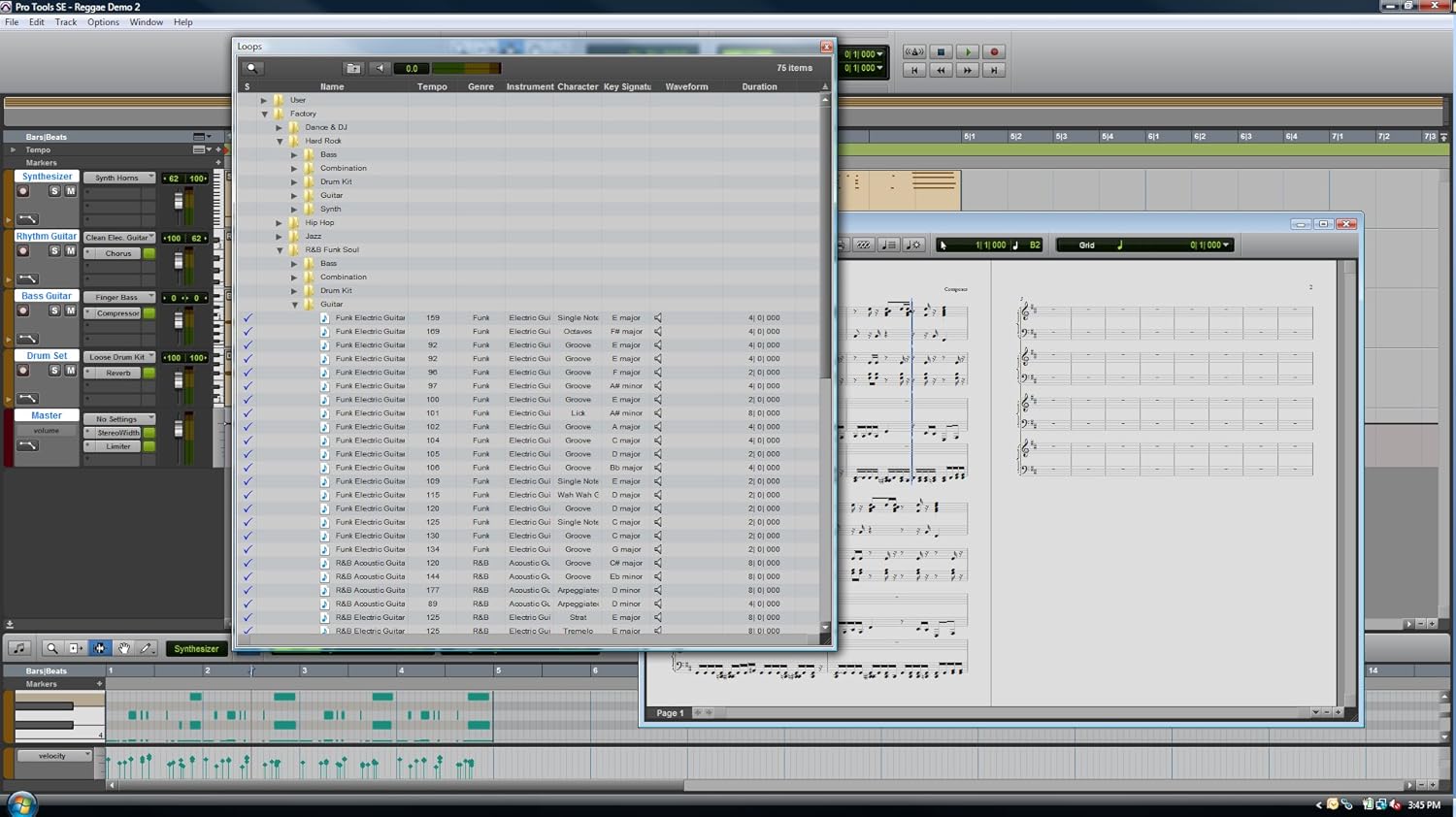
Figura 7: Example of the Pro Tools SE software interface, where the KeyStudio can control virtual instruments.

Figure 8: Pro Tools SE 'New Session' screen, allowing selection of various project templates.

Figure 9: Selecting a virtual instrument (Guitars) within Pro Tools SE.
6. Manutenção
Proper maintenance ensures the longevity and optimal performance of your Avid KeyStudio.
- Limpeza: Use a soft, dry, lint-free cloth to wipe the surface of the keyboard. Avoid abrasive cleaners, solvents, or waxes.
- Armazenar: When not in use, store the keyboard in a clean, dry environment, away from direct sunlight and extreme temperatures. Consider using a dust cover.
- Manuseio: Evite deixar o teclado cair ou submetê-lo a impactos fortes. Não coloque objetos pesados sobre ele.
7. Solução De Problemas
If you encounter issues with your Avid KeyStudio, refer to the following common problems and solutions:
| Problema | Possível causa/solução |
|---|---|
| Keyboard not recognized by computer/software. |
|
| No sound when playing keys. |
|
| Keys feel unresponsive or inconsistent velocity. |
|
| Software crashes during installation or use. |
|
8. Especificações
| Recurso | Detalhe |
|---|---|
| Chaves | 49, velocity-sensitive, synth-action |
| Conectividade | USB |
| Controles | Pitch Bend Wheel, Modulation Wheel, Volume Slider, Octave Up/Down Buttons, Transpose Buttons, Edit Mode Button |
| Poder | USB Bus-Powered |
| Peso do item | 6.5 libras (2.95 kg) |
| Dimensões do produto | 34 x 4 x 9.5 polegadas (86.36 x 10.16 x 24.13 cm) |
| Número do modelo | Avid KeyStudio |
| UPC | 763615778978, 777785735495, 613570227335 |
| Primeira disponibilidade | 16 de setembro de 2010 |
9. Garantia e Suporte
M-AUDIO products are covered by a limited warranty. For specific warranty terms and conditions, please refer to the warranty card included with your product or visit the official M-AUDIO website.
For technical support, driver downloads, and additional resources, please visit the M-AUDIO support page:
https://www.m-audio.com/support
When contacting support, please have your product model (Avid KeyStudio) and serial number ready.


