1. Introdução
This manual provides essential instructions for the safe and effective installation, operation, and maintenance of your Atlantic Clim & Ventil Flexible Aluminum Duct, Model 523793. Please read this manual thoroughly before use and retain it for future reference.
The Atlantic flexible aluminum duct is designed for ventilation systems, providing a durable and adaptable conduit for air movement. It is suitable for various HVAC applications.
2. Informações de segurança
Always observe basic safety precautions when handling and installing ventilation components. Failure to do so may result in personal injury or damage to the product or property.
- Utilize equipamentos de proteção individual (EPI) adequados, como luvas e proteção ocular, durante a instalação.
- Certifique-se de que a área de trabalho esteja bem iluminada e livre de obstruções.
- Handle the duct carefully to avoid sharp edges or damage to the material.
- Do not install the duct in areas where it may be exposed to excessive heat or open flames unless specifically rated for such conditions.
- Consult local building codes and regulations for proper installation practices.
3. Configuração e instalação
Proper installation is crucial for the efficient performance of your ventilation system. Follow these steps carefully:
3.1 Desembalagem e Inspeção
Carefully remove the duct from its packaging. Inspect the entire length of the duct for any signs of damage, such as tears, punctures, or crushed sections. Do not install damaged ducting.
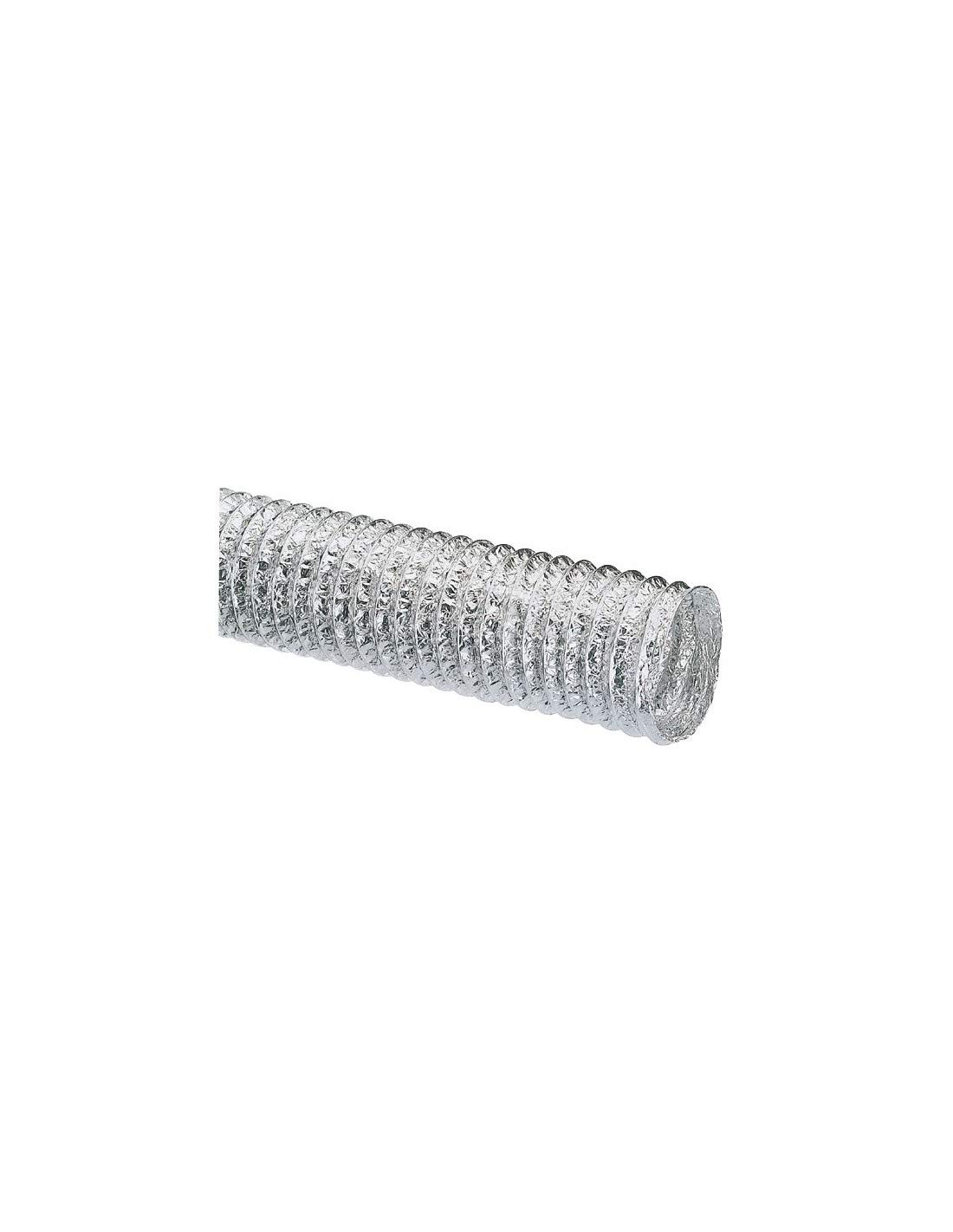
Figura 1: Rolled Atlantic flexible aluminum duct. This image shows the duct in its compact, uninstalled state, highlighting its flexibility and material.
3.2 Measuring and Cutting
Measure the required length of ducting for your application. Use a sharp utility knife or appropriate cutting tool to cut the duct cleanly. Ensure cuts are straight to facilitate secure connections.
3.3 Connecting the Duct
- Extend the duct to the desired length, ensuring it is not overstretched or kinked.
- Slide one end of the duct over the collar of the ventilation component (e.g., fan, register, or other ducting).
- Secure the connection using a duct clamp, zip tie, or appropriate sealing tape. Ensure a tight, airtight seal to prevent air leakage.
- Repeat for the other end of the duct, connecting it to the next component in the system.

Figura 2: Example of a flexible aluminum duct connected to a ventilation component. This image illustrates how the duct is typically attached and secured within a system.
3.4 Routing and Support
Route the duct along the planned path, avoiding sharp bends or kinks that could restrict airflow. Support the duct at regular intervals (e.g., every 1.5 meters) using duct hangers or straps to prevent sagging, which can also impede airflow and collect condensation.
4. Operação
The Atlantic flexible aluminum duct functions as a passive component within a larger HVAC or ventilation system. Its "operation" is defined by its ability to efficiently transport air without obstruction.
- Fluxo de ar: Ensure that the duct is free from internal obstructions and that all connections are airtight to maintain optimal airflow.
- Faixa de temperatura: The duct is designed to operate within standard HVAC temperature ranges. Avoid exposing it to temperatures outside its specified limits.
- Barulho: Properly installed and supported ducting should minimize noise from airflow. Excessive noise may indicate loose connections, obstructions, or improper routing.
5. Manutenção
Regular inspection and maintenance will ensure the longevity and efficiency of your flexible aluminum duct.
- Inspeção periódica: Annually inspect the entire length of the duct for any signs of damage, such as tears, punctures, or crushing. Check all connections for tightness and signs of air leakage.
- Limpeza: If the duct is part of a system that requires cleaning (e.g., kitchen exhaust), follow the cleaning procedures recommended for the overall system. For general ventilation, internal cleaning is rarely required unless there is significant dust or debris accumulation. Use soft brushes or vacuum attachments designed for duct cleaning.
- Reparar: Small punctures or tears can sometimes be repaired with specialized aluminum duct tape. For significant damage, replacement of the affected section is recommended.
6. Solução De Problemas
This section addresses common issues related to flexible aluminum ducting.
| Problema | Possível causa | Solução |
|---|---|---|
| Fluxo de ar reduzido | Kinks or sharp bends in the duct; internal obstruction (debris); loose connections causing air leakage; sagging duct. | Reroute the duct to eliminate kinks; inspect for and remove obstructions; tighten connections and seal leaks; add more supports to prevent sagging. |
| Vazamento de ar | Improperly secured connections; damaged duct material (tears, punctures). | Re-secure connections with clamps or tape; repair small tears with aluminum duct tape or replace damaged sections. |
| Ruído excessivo | Vibrations from loose connections; airflow turbulence due to kinks or obstructions; insufficient support. | Ensure all connections are tight; smooth out kinks and remove obstructions; add more supports to reduce vibration. |
7. Especificações
Key technical specifications for the Atlantic Clim & Ventil Flexible Aluminum Duct, Model 523793:
| Recurso | Detalhe |
|---|---|
| Marca | atlântico |
| Número do modelo | 523793 |
| Material | Flexible Aluminum |
| Comprimento | 10 metros |
| Diâmetro | 125 milímetros |
| Peso do item | 1.4 quilogramas |
| ASIN | B0728F23MX |
| Número de portas | 1 |
| Disponibilidade de peças de reposição | Informação indisponível |
| Data da primeira disponibilidade | 20 de setembro de 2022 |
| Descontinuado pelo fabricante | Não |


