1. Introdução
The TELEFUNKEN M80 is a dynamic microphone designed to offer superior audio performance for a variety of applications. It provides a wider frequency response and higher sound pressure level (SPL) capabilities compared to standard dynamic microphones, delivering condenser-like performance in a robust dynamic design. The M80 is suitable for capturing vocals, instruments, and drums in both live stage and studio environments. Its low-mass capsule and thin, durable membrane contribute to its ability to capture a broad range of emotional nuances from live vocals, a characteristic often associated with studio-quality condenser microphones.

Image 1.1: The TELEFUNKEN M80 Dynamic Microphone, featuring a green body and chrome grille.
2. O que está na caixa
Upon unboxing your TELEFUNKEN M80 Dynamic Microphone, please ensure all components are present:
- TELEFUNKEN M80 Dynamic Microphone
- Clipe de microfone
- Bolsa protetora
3. Configuração
3.1 Montagem do Microfone
The M80 microphone is designed for handheld use or mounting on a standard microphone stand. Use the included microphone clip for secure attachment.
- Attach the microphone clip to a standard microphone stand (not included) by screwing it onto the threaded post.
- Gently insert the base of the M80 microphone into the clip until it is securely held.

Image 3.1: The included microphone clip, designed to securely hold the M80.
3.2 Conectando o Microfone
The M80 uses a standard 3-pin XLR connector for audio output. It is a passive dynamic microphone and does not require phantom power.
- Connect one end of a balanced XLR cable (not included) to the XLR output port at the base of the M80 microphone.
- Connect the other end of the XLR cable to an available microphone input on your mixer, audio interface, or preampmais vivo.
- Certifique-se de que todas as conexões estejam firmes e seguras.
4. Operando o Microfone
4.1 Padrão Polar
The TELEFUNKEN M80 features a unidirectional (cardioid) polar pattern. This means the microphone is most sensitive to sounds coming from directly in front of it and significantly less sensitive to sounds from the sides and rear. This characteristic helps to reduce feedback in live sound environments and isolate the desired sound source in the studio.
4.2 Recommended Uses and Placement
The M80 is versatile and excels in various applications:
- Vocals (Singing & Speech): For lead vocals, position the microphone 2-6 inches from the mouth. Experiment with distance to control proximity effect (increased bass response when close to the mic). For speech, maintain a consistent distance for clear articulation.
- Instrumentos: Can be used for guitar amplifiers, snare drums, and other instruments. For guitar amps, try positioning the microphone 1-6 inches from the speaker cone, off-axis for a warmer tone, or on-axis for more bite.
- Bateria: Effective for snare drum, tom-toms, or as an overhead microphone in certain setups.
Always monitor your sound through headphones or speakers to find the optimal placement for your specific application.
5. Manutenção
5.1 Limpeza
To maintain the performance and appearance of your M80 microphone:
- Limpe o corpo do microfone com um pano macio e seco.
- For the grille, use a soft brush to remove any debris. Avoid using liquid cleaners directly on the grille or capsule.
- Ensure the microphone is disconnected from any power source before cleaning.
5.2 Armazenamento
When not in use, store the M80 in its protective pouch to shield it from dust, moisture, and physical damage.
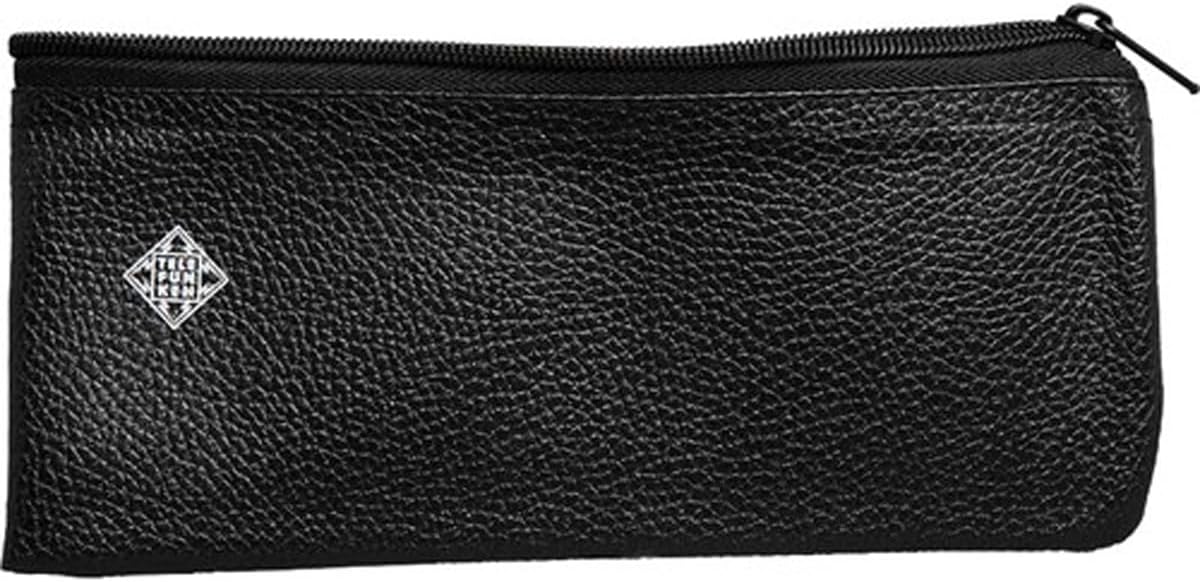
Image 5.1: The protective pouch for storing the M80 microphone.
5.3 Precauções de manuseio
- Avoid dropping the microphone, as this can damage the internal components.
- Não exponha o microfone a temperaturas extremas ou alta umidade.
- Do not attempt to disassemble the microphone. Refer to qualified service personnel for repairs.
6. Solução De Problemas
If you encounter issues with your TELEFUNKEN M80, consider the following common troubleshooting steps:
- Sem som:
- Ensure all XLR cables are securely connected at both the microphone and the input device.
- Verify that the input channel on your mixer or interface is selected and its gain is turned up.
- Faça o teste com um cabo XLR diferente para descartar a possibilidade de um cabo defeituoso.
- Confirm that the input device is powered on and functioning correctly.
- Som distorcido:
- Reduce the input gain on your mixer or interface. The M80 has high SPL capabilities, so excessive gain can cause clipping.
- Ensure the microphone is not positioned too close to a very loud sound source, which could overload the capsule.
- Check for any processing (e.g., compression, EQ) that might be causing distortion.
- Opinião:
- Reposicione o microfone mais longe das caixas de som ou monitores.
- Adjust the angle of the microphone, utilizing its unidirectional polar pattern to point away from sound sources that could cause feedback.
- Reduce the overall volume or specific frequency ranges that are feeding back.
If these steps do not resolve the issue, please contact TELEFUNKEN Elektroakustik support for further assistance.
7. Especificações
| Recurso | Especificação |
|---|---|
| Marca | TELEFUNKEN |
| Modelo | M80 |
| Fator de forma do microfone | Portátil |
| Padrão polar | Unidirecional (Cardióide) |
| Tecnologia de Conectividade | XLR |
| Tipo de conector | XLR |
| Fonte de energia | Corded Electric (Passive Dynamic) |
| Número de canais | 1 |
| Usos recomendados | Singing, Speech |
| Peso do item | 3 libras |
| Dimensões da embalagem | 10 x 7 x 4 polegadas |
| UPC | 810047030683 |
8. Garantia e Suporte
For information regarding warranty coverage and terms for your TELEFUNKEN M80 Dynamic Microphone, please refer to the documentation provided at the time of purchase or visit the official TELEFUNKEN Elektroakustik website. For technical support, service, or parts, please contact TELEFUNKEN Elektroakustik directly.
Fabricante: TELEFUNKEN Elektroakustik
Loja Oficial: TELEFUNKEN Elektroakustik Store


