Introdução
This manual provides essential information for the safe and effective operation, maintenance, and troubleshooting of your Strongway Heavy-Duty Manual Lever Chain Hoist. Please read and understand all instructions before using the hoist. Proper use ensures safety and extends the life of the equipment.
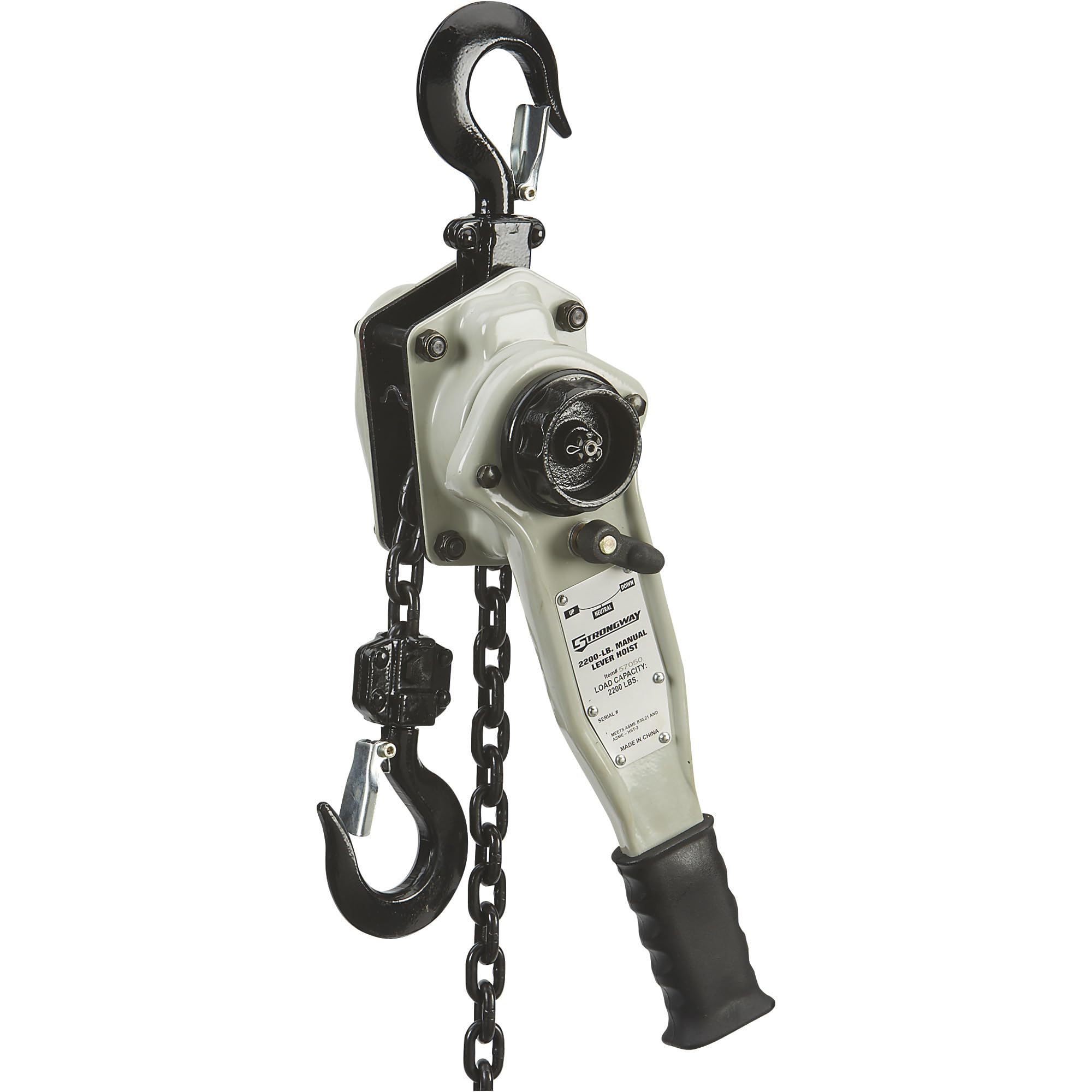
Figure 1: Strongway Heavy-Duty Manual Lever Chain Hoist.
Informações de segurança
Always prioritize safety when operating lifting equipment. Failure to follow these safety guidelines can result in serious injury or property damage.
- Limites de capacidade: Never exceed the rated capacity of 2200 lbs (1000 kg). Overloading can cause hoist failure.
- Inspeção: Before each use, inspect the hoist, load chain, and hooks for any signs of wear, damage, or deformation. Do not use if any defects are found.
- Load Security: Ensure the load is properly secured and balanced before lifting. The load hook must be fully engaged with the load.
- Hook Safety Latches: Always ensure hook safety latches are functional and properly closed. Ductile drop-forged hooks are designed to show noticeable opening if subjected to excessive overload, indicating a need for replacement.
- Ambiente operacional: Use the hoist in a clear area, free from obstructions. Keep hands and body clear of the load and moving parts.
- Conformidade com os padrões: This hoist meets ASME B30.21/HST-3 safety standards and has a safety coefficient of at least 4:1.
- Chain Management: Ensure the load chain is free of twists, kinks, or knots before and during operation.
- Pessoal: Only trained and authorized personnel should operate the hoist.
Componentes do produto
Familiarize yourself with the main components of your lever chain hoist:
- Upper Hook: Used for attaching the hoist to a secure anchor point.
- Alavanca: Used to operate the lifting and lowering mechanism.
- Control Lever/Selector: Switches between UP, NEUTRAL, and DOWN modes.
- Hoist Body/Gear Case: Houses the internal lifting mechanism and brake system.
- Corrente de carga: Grade 80 chain that supports and moves the load.
- Lower Hook: Used for attaching to the load.

Figura 2: Frente view of the hoist, highlighting the upper hook, lever handle, and lower hook.

Figura 3: Detalhado view of the lower hook, showing the safety latch mechanism.
Configurar
Uma configuração adequada é crucial para uma operação segura e eficiente.
- Secure Anchor Point: Attach the upper hook of the hoist to a structural member or trolley that is rated to safely support the hoist's weight plus the maximum intended load. Ensure the anchor point is stable and secure.
- Hoist Orientation: Ensure the hoist hangs vertically and the load chain is free to move without obstruction.
- Inspeção da corrente: Pull the load chain through the hoist to ensure it moves freely and is not twisted or kinked.
- Operação de teste: Before attaching a load, perform a few cycles of lifting and lowering with no load to confirm smooth operation of the lever and chain.
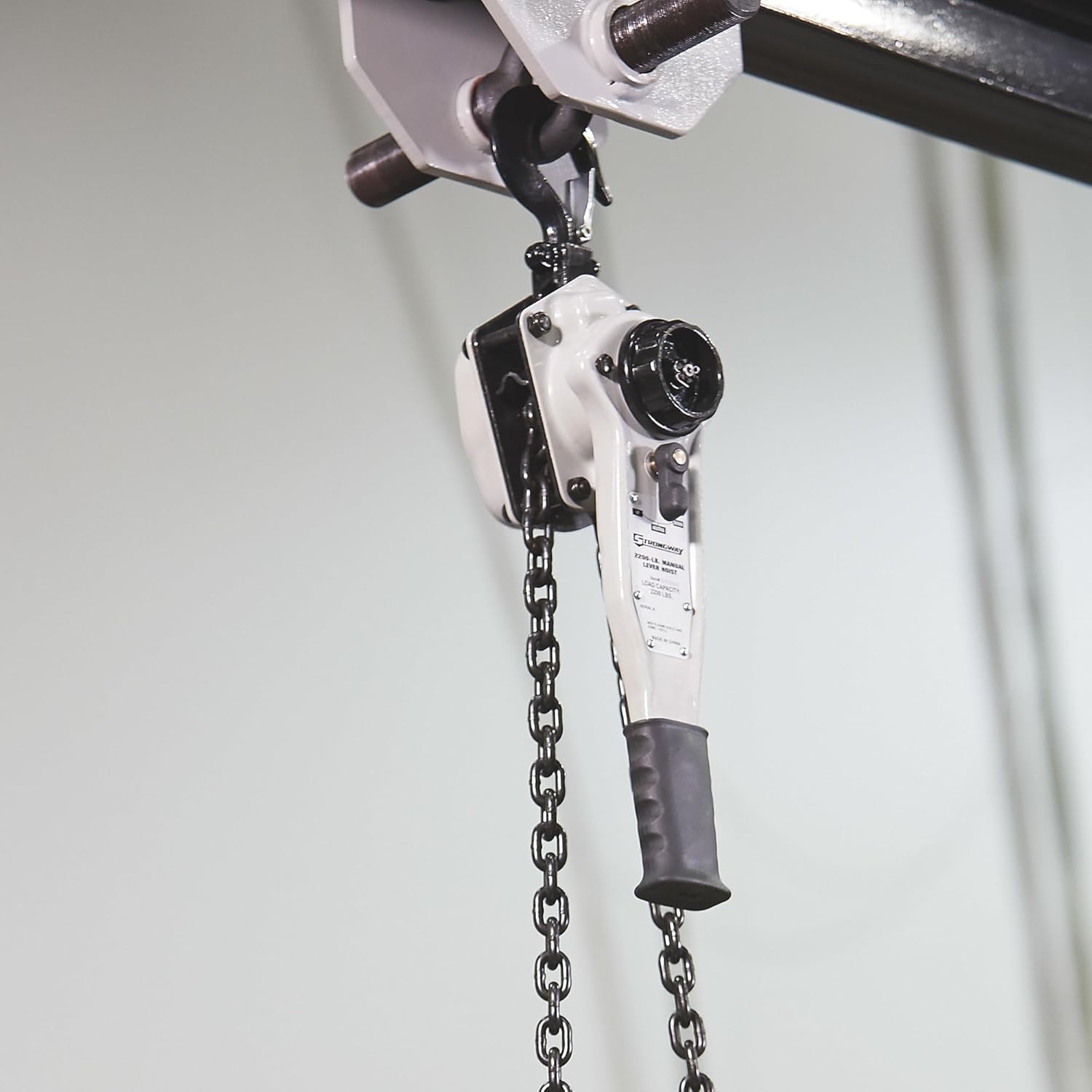
Figure 4: Hoist properly suspended from an overhead support structure.
Instruções de operação
Follow these steps for safe lifting and lowering operations.
Lifting a Load
- Anexar carga: Securely attach the lower hook to the load. Ensure the safety latch is closed.
- Select UP Mode: Move the control lever to the "UP" position.
- Operate Lever: Pump the lever handle up and down to lift the load. Each stroke will raise the load incrementally. Maintain a steady, controlled motion.
- Carga do monitor: Continuously observe the load and hoist for any signs of instability or strain.
Baixar uma carga
- Select DOWN Mode: Move the control lever to the "DOWN" position.
- Operate Lever: Pump the lever handle up and down to lower the load. The speed of lowering is controlled by the rate of pumping.
- Descida Controlada: Lower the load slowly and steadily to its desired position.
Free Chaining (No Load)
To quickly adjust the chain length without a load:
- Select NEUTRAL Mode: Move the control lever to the "NEUTRAL" position.
- Ajuste a corrente: Manually pull the load chain to the desired length. This mode disengages the brake, so ensure there is absolutely no load on the hook.
- Re-engage: Return the control lever to "UP" or "DOWN" before applying any load.
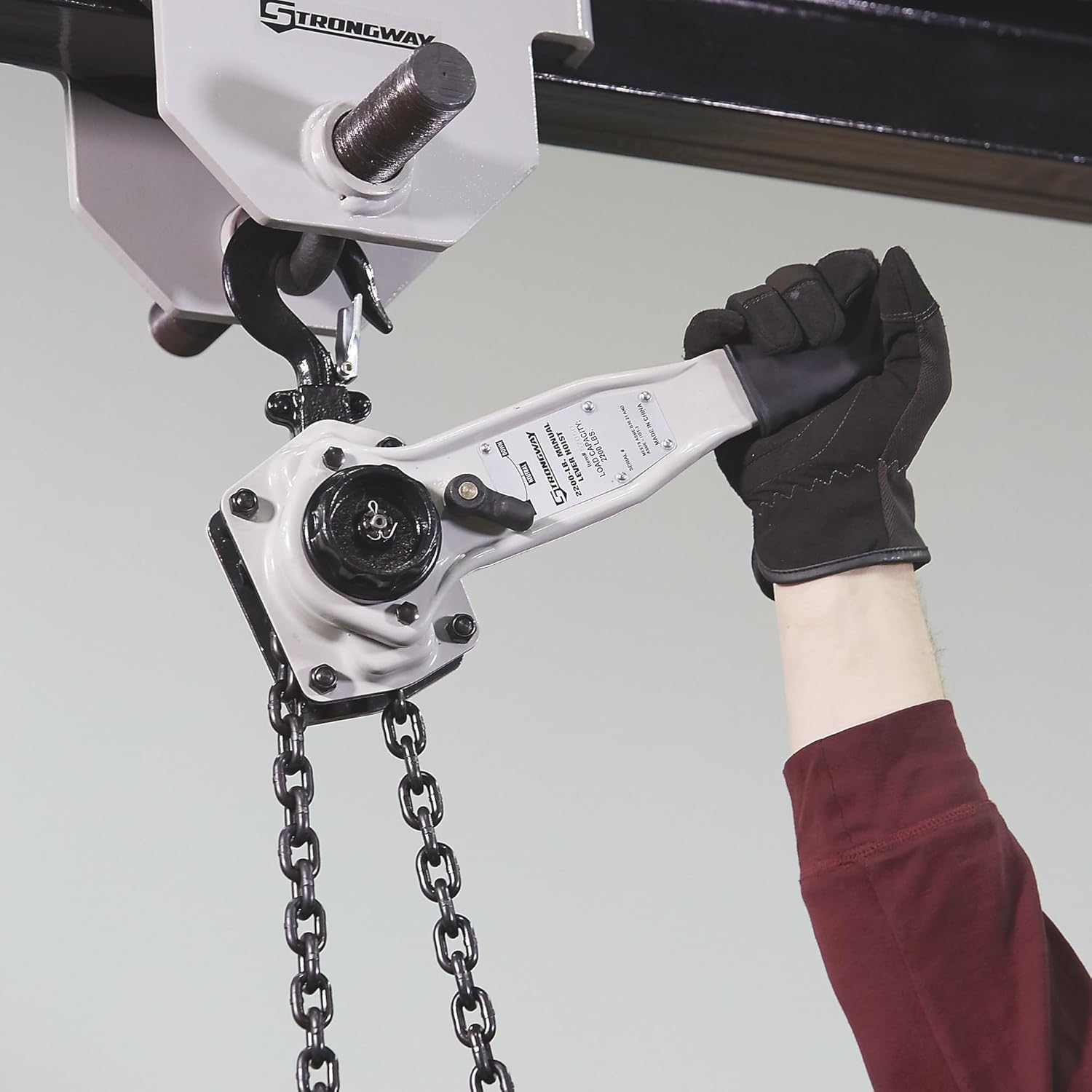
Figure 5: Operating the lever handle to lift or lower a load.

Figure 6: Control lever showing UP, NEUTRAL, and DOWN positions for operation.
Manutenção
A manutenção regular garante a longevidade e o funcionamento seguro do seu elevador.
- Lubrificação: Periodically lubricate the load chain and internal mechanisms with lithium grease or a similar high-quality lubricant. Refer to the manufacturer's recommendations for specific lubrication points and frequency.
- Inspeção da corrente: Regularly inspect the entire length of the load chain for wear, corrosion, nicks, gouges, or stretched links. Replace the chain if any damage is found.
- Inspeção do gancho: Check both upper and lower hooks for deformation, cracks, or excessive wear, especially at the throat opening. Ensure safety latches operate freely and fully close.
- Sistema de freio: The heat-treated double pawl, 3-piece disc brake system is designed for reliability. If the brake feels less responsive, have it inspected by a qualified technician.
- Limpeza: Keep the hoist clean and free from dirt, debris, and corrosive materials.
- Armazenar: Store the hoist in a dry, clean environment when not in use.
Solução de problemas
Esta seção aborda problemas comuns que você pode encontrar com seu guincho.
| Problema | Possível causa | Solução |
|---|---|---|
| Hoist will not lift/lower | Control lever in NEUTRAL; Overload; Damaged mechanism | Set lever to UP/DOWN; Reduce load; Inspect for damage, contact service |
| Chain jams or binds | Twisted chain; Debris in mechanism; Damaged chain | Untwist chain; Clean mechanism; Replace chain if damaged |
| Load slips or drifts | Worn brake components; Overload | Do not use; Contact qualified service for brake inspection/repair; Ensure load is within capacity |
| Excessive effort to operate lever | Lack of lubrication; Overload; Internal friction | Lubricate moving parts; Reduce load; Inspect for internal issues |
If you encounter problems not listed here or if solutions do not resolve the issue, discontinue use immediately and contact Strongway customer support or a qualified service technician.
Especificações
| Recurso | Especificação |
|---|---|
| Número do modelo | 3393621 |
| Capacidade | 2200 libras (1000 kg) |
| Altura de elevação | 15 pés. |
| Load Chain Grade | 80ª série |
| Sistema de freio | Heat-treated double pawl, 3-piece disc brake |
| Normas de segurança | Meets ASME B30.21/HST-3 |
| Safety Coefficient | At least 4:1 |
| Peso aproximado do item | 20 libras |
| Dimensões da embalagem | 16 x 8 x 6 polegadas |
Garantia e Suporte
For warranty information or technical support, please refer to the documentation included with your purchase or visit the official Strongway website. Guarde o recibo de compra para reclamações de garantia.


