1. Introdução
Thank you for choosing the Hoco QS2 Portable Smart Air Pump & Emergency Start-Up Power Bank. This device is a multi-functional tool designed to provide reliable assistance in various situations, including jump-starting vehicles, inflating tires, and charging electronic devices. Please read this manual thoroughly before use to ensure proper operation and to maximize the lifespan of your device.
2. Precauções de segurança
Always observe the following safety guidelines to prevent injury or damage to the device and property.
- Não exponha o dispositivo a temperaturas extremas, luz solar direta ou fogo.
- Mantenha fora do alcance de crianças.
- Não desmonte, modifique ou tente reparar o dispositivo por conta própria. Contate pessoal de serviço qualificado.
- Ensure proper ventilation during operation, especially when using the air pump or jump start function.
- Evite curto-circuito nos terminais de saída.
- Não utilize o auxiliar de partida se a bateria estiver descarregada.amps ou cabos estão danificados.
- When jump-starting, ensure the vehicle's ignition is off and all accessories are unplugged.
- Do not over-inflate tires. Always refer to the recommended tire pressure for your vehicle.
- If the device becomes excessively hot during use, discontinue operation immediately.
3. Conteúdo da embalagem
Por favor, marque a caixa para os seguintes itens:
- 1 x Hoco QS2 8000 mAh Portable Smart Air Pump Emergency Start-Up Power Bank
- 1 x Jump Start Cables (Red and Black Clamps)
- 1 x Air Hose with Valve Connector
- Various Nozzle Adapters (e.g., for bicycles, balls)
- Cabo de carregamento 1 x USB Type-C

Figure 1: Hoco QS2 and its complete set of accessories.
4. Componentes do produto
Familiarize yourself with the different parts of your Hoco QS2 device.
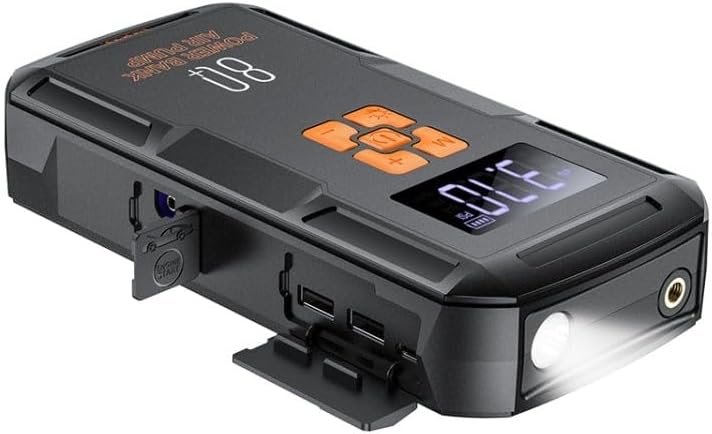
Figura 2: Overview of the Hoco QS2 device.
- Tela digital: Shows current pressure, battery level, and selected mode.
- Botões de controle: Power, Mode selection, Increase/Decrease pressure.
- Porta da mangueira de ar: Connects the inflation hose.
- Porta de partida auxiliar: Connects the jump start cables.
- USB Output Ports (2x): For charging external devices (5V/2.4A).
- Porta de entrada tipo C: For charging the Hoco QS2 itself (5V/2.4A).
- Lanterna LED: Fornece iluminação.
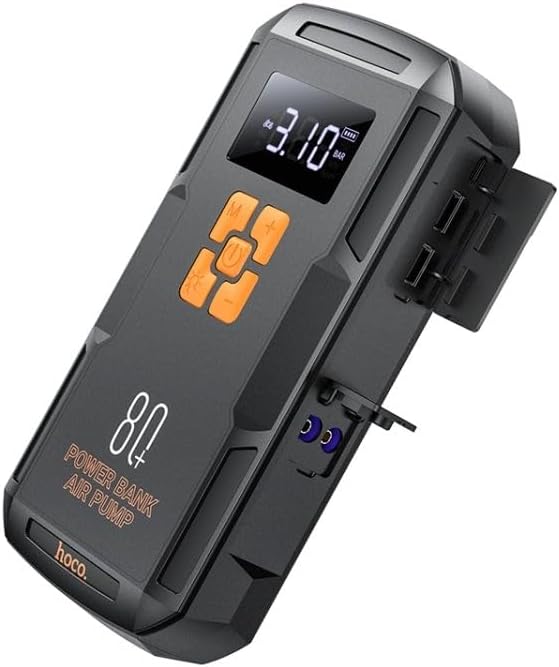
Figura 3: Lateral view of the Hoco QS2 with ports visible.
5. Configuração e carregamento
5.1 Charging the Hoco QS2
Before first use, fully charge the Hoco QS2. It is recommended to keep the device charged above 50% for optimal performance, especially for jump-starting.
- Connect the provided USB Type-C charging cable to the Type-C input port on the Hoco QS2.
- Connect the other end of the USB cable to a 5V/2.4A USB wall adapter (not included) or a compatible USB port.
- The digital display will indicate the charging status and battery level.
- O tempo de carregamento pode variar dependendo da fonte de alimentação.
6. Instruções de operação
6.1 Jump Start Function
The Hoco QS2 can jump-start vehicles with up to 4.0L gasoline or 2.0L diesel engines.
- Ensure the Hoco QS2 is sufficiently charged (at least 75% battery recommended).
- Desligue a ignição do veículo e todos os acessórios elétricos.
- Conecte o vermelho (+) clamp do cabo auxiliar de partida ao terminal positivo (+) da bateria do veículo.
- Conecte o preto (-) clamp ao terminal negativo (-) da bateria do veículo ou a uma parte metálica sólida e sem pintura do bloco do motor (ponto de aterramento).
- Insert the blue connector of the jump start cable into the jump start port on the Hoco QS2.
- Once connected, the Hoco QS2 will automatically enter jump start mode.
- Start the vehicle's engine. If it doesn't start immediately, wait 30 seconds before trying again. Do not crank for more than 3 seconds per attempt.
- Once the vehicle starts, immediately disconnect the jump start cable from the Hoco QS2, then remove the black (-) clamp, seguido pelo cl vermelho (+)amp da bateria do veículo.
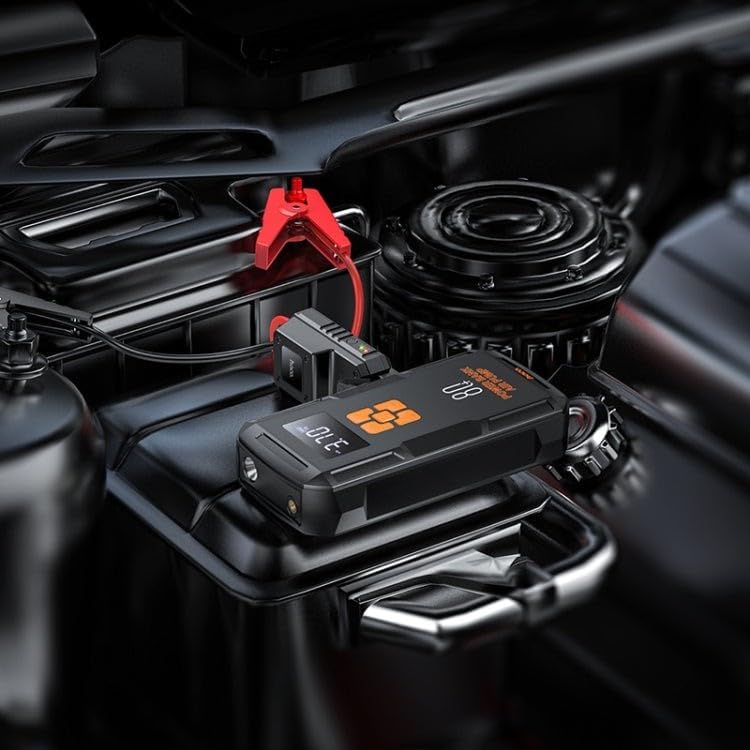
Figure 4: Using the Hoco QS2 for jump-starting a vehicle.
6.2 Tire Inflation Function (Air Pump)
The Hoco QS2 can inflate tires up to 10.3 bar (150 PSI) and features multiple inflation modes.
- Connect the air hose to the air hose port on the Hoco QS2.
- Attach the other end of the air hose to the tire valve. Ensure a secure connection to prevent air leakage. Use appropriate nozzle adapters for other inflatables (e.g., bicycle tires, sports balls).
- Press the Power button to turn on the device. The display will show the current tire pressure.
- Press the 'M' (Mode) button to cycle through the inflation modes: Car, Motorcycle, Bicycle, Basketball. Each mode has a default pressure setting, which can be adjusted.
- Utilize os botões '+' e '-' para definir a pressão alvo desejada.
- Press the Power button again to start inflation. The pump will automatically stop once the target pressure is reached.
- Disconnect the air hose from the tire valve and the device.

Figure 5: Inflating a car tire with the Hoco QS2.
6.3 Função Power Bank
The Hoco QS2 can charge your electronic devices via its dual USB output ports.
- Connect your device's USB charging cable to one of the USB output ports on the Hoco QS2.
- Connect the other end of the cable to your electronic device (e.g., smartphone, tablet).
- The Hoco QS2 will automatically begin charging your device.
- The digital display will show the remaining battery level of the power bank.
Função de lanterna LED 6.4
A lanterna LED integrada fornece iluminação para diversas situações.
- To turn on the flashlight, press and hold the 'Light' button (usually indicated by a light bulb icon).
- Press the 'Light' button again to cycle through different light modes (e.g., steady on, SOS signal, strobe).
- Press and hold the 'Light' button again to turn off the flashlight.
7. Manutenção e armazenamento
- Limpe o dispositivo com um pano macio e seco. Não utilize produtos químicos agressivos ou abrasivos.
- Store the Hoco QS2 in a cool, dry place, away from direct sunlight and moisture.
- For long-term storage, charge the device every 3-6 months to maintain battery health.
- Ensure all ports are covered when not in use to prevent dust and debris from entering.
8. Solução De Problemas
| Problema | Possível causa | Solução |
|---|---|---|
| O dispositivo não liga. | Bateria fraca. | Carregue o dispositivo totalmente. |
| O veículo não pega com cabos auxiliares. | Incorrect cable connection; Device battery too low; Vehicle battery severely discharged. | Ensure correct polarity (+ to +, - to -). Charge the Hoco QS2. Allow more time for the vehicle battery to receive a charge, or seek professional assistance if the battery is completely dead. |
| Air pump not inflating or inflating slowly. | Air hose not securely connected; Nozzle adapter not suitable; Device battery low. | Check all connections for leaks. Use the correct adapter. Charge the device. |
| O carregamento USB não está funcionando. | Device battery low; Cable faulty; Device not compatible. | Charge the Hoco QS2. Try a different USB cable. Ensure your device is compatible with 5V/2.4A charging. |
9. Especificações técnicas
| Recurso | Especificação |
|---|---|
| Número do modelo | QS2 |
| Capacidade da bateria | 8000 mAh (29.6 Wh) |
| Entrada Tipo C | 5V / 2.4A |
| USB Output 1/2 | 5V / 2.4A |
| Saída USB total | 5V / 2.4A |
| Saída do Jump Start | 12V (for vehicle emergency start) |
| Pressão máxima do ar | 10.3 bar / 150 PSI |
| Dimensões | Aprox. 12 x 10 x 8 cm |
| Peso | Aprox. 800 gramas |
| Temperatura de operação | Refer to product packaging for specific range. |
10. Garantia e Suporte
HOCO products are designed and manufactured to the highest quality standards. For warranty information and customer support, please refer to the warranty card included with your purchase or visit the official HOCO webGuarde o comprovante de compra como prova para eventuais solicitações de garantia.


